4 min read

HPLC Column Damage: How Contaminated Ultrapure Water Destroys Your Most Expensive Consumables

HPLC Column Damage: How Contaminated Ultrapure Water Destroys Your Most Expensive Consumables
7:57

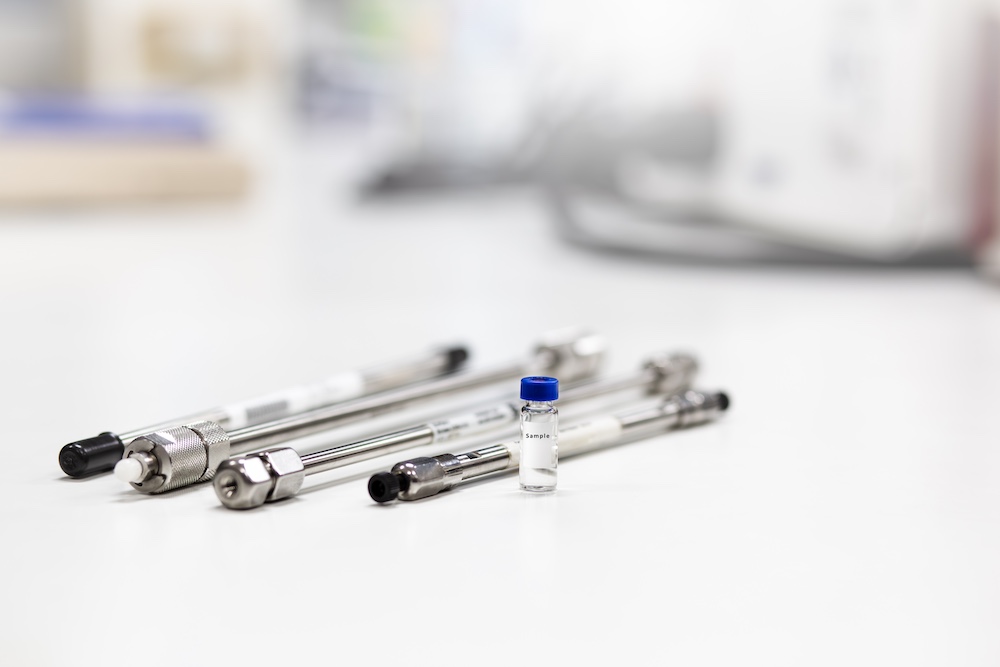
Your HPLC columns shouldn't fail after a few weeks. Under normal operating conditions, most reverse-phased C18 columns deliver stable performance for hundreds of injections. When they don’t, contaminated ultrapure water (UPW) is often the culprit, and it's costing you thousands in premature replacements.

What's Actually Happening Inside Your Column

Here's the thing about metal ions in contaminated UPW. Trace metal ions, iron, copper, and aluminum, even at parts per billion levels don't just pass through your column. These metals latch onto silanol groups on your silica packing, and once they're there, they start breaking things down.

Your C18 chains? They're getting attacked through metal catalyzed hydrolysis. That's why you're seeing peak tailing where you shouldn't. The stationary phase loses uniformity, resolution starts dropping, and suddenly the method that worked fine last month won't meet precision specs.

It compounds, too. Every injection deposits more contamination. The column's selectivity shifts gradually, which is actually worse than a sudden failure because you might not catch it until you've already reported questionable data.

The Bacterial Problem Many Labs Overlook

Bacteria in UPW rarely stay suspended. When introduced into a column, they colonize the column, forming biofilms that essentially strangle your separation. As these biofilms develop:

  • Back pressure rises unpredictably
  • Flow paths become non-uniform
  • Peak shapes broaden or split
  • Microcolonies produce organic byproducts that etch the packing materials

Over time, your carefully packed bed becomes this chaotic mixture of degraded particles and bacterial waste. And one established, these biofilms are extremely difficult to remove and most column manufacturers advise replacement rather than salvage.

The Particle Buildup That Sneaks Up on You

Particles, even sub-micron ones, tend to accumulate at your column inlet. They build up layer by layer, creating a barrier that chokes flow. The pressure increases are gradual at first. Your system compensates automatically, which actually makes the problem harder to spot until you hit pressure limits and get shut down.

By then, the damage is usually done. The particles act like tiny dams, forcing everything through narrower and narrower channels. Flow distribution across the column diameter becomes uneven, peak symmetry goes downhill, and you're left wondering why your separation fell apart.

How Contamination Shows Up In Your Chromatography

Changes in Peak Shape

Sharp, symmetrical peaks that should have tailing factors around 1.0 to 1.5, they begin to climb to 2.0 or higher. Resolution between closely eluting compounds decreases. Those critical separation margins your method depends on? They’re gone.

Shifts in Retention Time

Retention times become unpredictable. Metal ions change the surface chemistry. Bacterial growth effectively alters the column length. Particle buildup modifies flow patterns in ways that make retention times drift. Your compound identification becomes questionable, method transfers fail, and you're stuck trying to figure out which variable changed.

Erosion of Sensitivity

Detection limits take a hit too. Broader peaks reduce signal to noise ratios. Column bleeding from contamination damage creates more baseline noise. Suddenly you can't hit the detection limits your method requires, and trace analysis becomes impossible.

The Math Nobody Likes

A typical reverse-phased analytical column costs anywhere from a few hundred to nearly a thousand dollars. Under standard conditions, clean matrices, proper filtration, acceptable UPW quality, labs can commonly achieve 500-1000+ injections over 3-6 months. With contaminated UPW, you're looking at maybe 100 to 300 injections over a span of a few weeks.

Instead of spending a couple hundred per month on columns, you're burning through thousands. Annually, for a single HPLC system, that's tens of thousands just from premature column replacement. And that's before you add in the analyst time troubleshooting, the re-equilibration delays, the method validation failures, the sample reruns.

How to Keep Your Columns Alive Longer

Monitor more than Resistivity

The monitoring that matters isn't just resistivity. That misses most of what kills columns. You need Total Organic Carbon (TOC) detection to catch bacterial contamination early. Metal analysis to identify the ions catalyzing degradation. Regular bacterial testing before biofilm formation gets established. Particle counting to catch filtration failures.

Maintain Your Water System Proactively

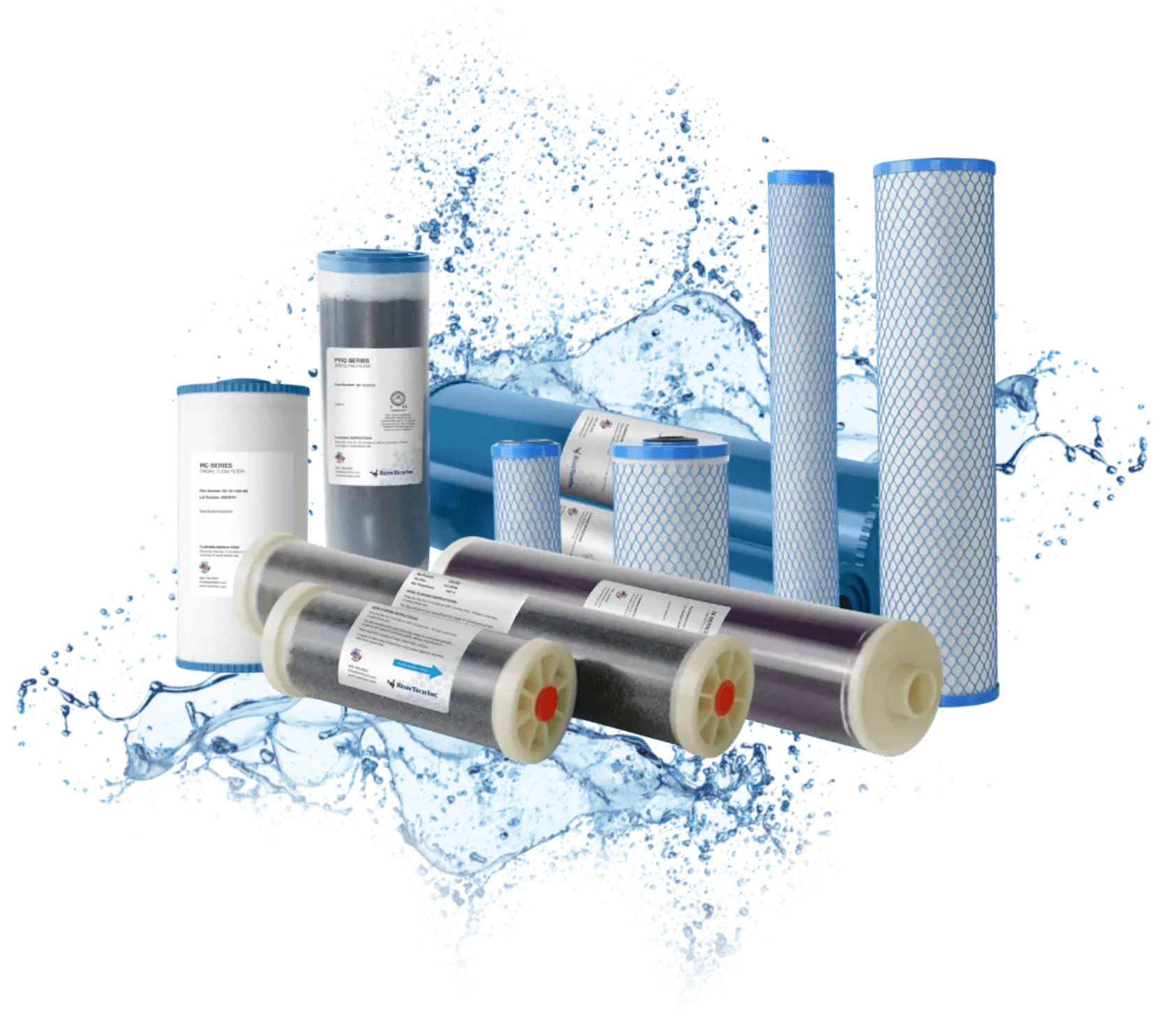
Your water system maintenance really matters here. Replace those conditioning and polishing filters before breakthrough happens. Keep UV lamps fresh to prevent bacterial growth. Annual sanitization eliminates the biofilm reservoirs that keep reseeding contamination. Point-of-Use filtration is cheap insurance. Inline filters run maybe fifty to a hundred dollars or more but prevent thousands in column damage.

Following your lab system manufacturer's maintenance schedule makes a real difference. Some systems have lower cost of ownership, which makes it easier to keep up with maintenance instead of letting it slide.

Bottom Line

Contaminated UPW doesn't just hurt your analytical performance. It destroys your most expensive consumables at a rate that'll wreck any lab budget. Proper water purification and consistent maintenance cost hundreds annually and can save thousands not to mention time and reputation.

Common Questions

How can I tell if water contamination is damaging my HPLC columns versus normal wear?

Normal aging shows gradual decline over hundreds of injections. You know what to expect. Contamination damage is different. You'll see:

  • Rapid pressure increases
  • Sudden peak shape changes
  • Retention time shifts
  • Decline in performance within days or weeks

Can I salvage a column that's been damaged by contaminated UPW?

Minor fouling may improve with aggressive washing with appropriate solvents. But biofilm formation and metal ion binding are usually irreversible. Rehabilitating damaged columns has been tried but rarely works out. Prevention costs a fraction of what you'll spend trying to save a compromised column.

What water quality parameters are most critical for preventing HPLC column damage?

Industry guidelines prioritize:

  • TOC levels below 10 µg/L keep bacteria from growing.
  • Metal content below 1 µg/L prevents catalytic degradation
  • Minimal particle counts, effective with 0.2 µm filtration at Point-of-Use

Resistivity monitoring alone won't catch these contaminants.

How often should I replace pre-column filters to protect my analytical columns?

Every 50 to 100 injections, or when pressure increases by 50 psi, whichever comes first. It's a small investment, maybe a few dollars per filter, but it prevents contamination from reaching your expensive analytical column. Monitor your pressure trends and you'll figure out the sweet spot for your particular setup.

Is it worth using guard columns if my UPW quality is inconsistent?

Absolutely. Guard columns capture contaminants before they reach your analytical column. They'll extend their lifetime significantly. With contaminated water, replace guard columns every 20 to 50 injections. Still way cheaper than replacing the analytical column. Think of it as buying yourself time while you get your water quality sorted out.

Discover the CLïR lab water system best suited for your application.